
The Spirit of Adoption and Inheritance
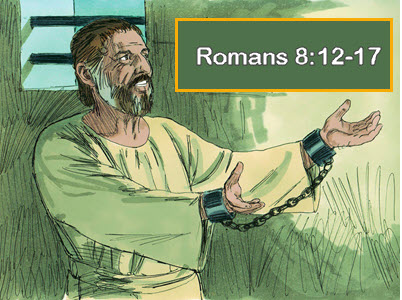
Romans 8:12-17
Introduction:
Let me share with you a story that beautifully illustrates the joy of adoption. This is the story of my son David and his wife Tammi. They were teachers living in China with what one might call the perfect family. Remember the old song Tea for Two where Doris Day sings “We will raise a family. A boy for you, and a girl for me. Can't you see how happy we will be?
Although Tammi and David already seemed to have the perfect “Tea for Two Family,” they felt called to open their hearts and home to more children by fostering special-needs orphans while in China and eventually adopting two, Halley and Hudson. How happy they were raising their family in China! Two boys for him and two girls for her. And, of course, there was Leo the adopted cat, who loved to pounce on and nip at bare feet. He just recently died. He was eighteen years old-still nipping at bare feet.
Tammi and David’s story is a testament to the life-changing power of adoption. They looked past the disabilities and challenges, finding that they needed their adopted children just as much as the children needed them. Their story reflects the heart of our Heavenly Father, who adopts us into His family, not because of our perfection, but because of His great love for us.
As we dig into Romans 8:12-17 today, let us keep Tammi and David’s inspiring journey in mind. Just as Halley and Hudson found new life through the love and acceptance of their adoptive parents, we too experience a profound transformation when we become children of God. This passage speaks to our adoption into God's family, the indwelling of His Spirit, and the incredible inheritance that awaits us as His heirs. Let’s explore the depths of what it means to be embraced by our Heavenly Father, to live under the guidance of His Spirit, and to rejoice in the freedom from condemnation that is our gift as His beloved children.
I. Spirit's Summons to Life (Romans 8:12-13)
When I was a business professor, I would instruct the students in my Introduction to Business course about personal finances and especially about debt. In the personal financial world, being a debtor means that you owe something to someone. It means you have an obligation to fulfill. Excessive debt is like being enslaved until your debt is paid. Many people silently sing the coal mining song Sixteen Tons.
“You load 16 tons, what do you get?
Another day older and deeper in debt
St. Peter, don't you call me 'cause I can't go
I owe my soul to the company store”
In Romans 8:12, Paul confronts us with a profound truth:
So then, brothers and sisters, we are debtors, (but) not to the flesh, (we are not) to live according to the flesh
The Apostle Paul flips this concept on its head and boldly says that we have no obligation whatsoever to live according to the flesh, “flesh” means the sinful human nature—life lived apart from God’s Spirit, dominated by self and sin. This is contrary to what the world would have us believe. We live in a society that often encourages us to indulge in our desires without restraint. It preaches a gospel of self-gratification that can lead us down a path of destruction. Be aware of teachers and preachers who have decided the spirit of the “age” or flesh gets the final word on the question - “How then should we live?” - instead of the Word of God. Presbyterians have historically believed that Scripture alone (sola Scriptura) is the supreme, final, and sufficient authority for all faith, doctrine, worship, and life. We need to be living intentionally according to God’s guidance found in Scripture. Romans 12:2 encourages transformation through renewed thinking, urging believers not to conform to worldly patterns but to discern and follow divine guidance. This involves evaluating cultural norms, making ethical choices, and allowing spiritual values to shape daily decisions, even amid chaos or societal pressures. Our lives must emphasize spiritual readiness, moral courage, and reliance on God’s authority in navigating life’s challenges.
Paul shows that believers now belong to the Holy Spirit, not the flesh. God has called us to leave sinful patterns behind and live the new life Christ gives—not out of guilt, but out of gratitude. We are indebted to God. To the flesh – No! "For if you live according to the flesh you will die, but if by the Spirit you put to death the deeds of the body, you will live." Romans 8:13
Paul contrasts two ways of life and what they say about a person’s identity. Paul says if someone is living according to the flesh, — a lifestyle driven by selfish desires and sinful inclinations — they will remain spiritually dead, which is eternal separation from God. If someone is living by the Spirit there is a deliberate and ongoing process known as mortification, where the sinful deeds of the body are actively put to death. The believer and the Holy Spirit work together to bring the believer to being sanctified. What is sanctification? Sanctification is God’s ongoing work of making believers holy — set apart for Him, transformed by Him, and ultimately perfected in Him.
Paul’s command to “put to death the deeds of the body” calls believers to decisive action. The Christian life is not passive belief, but active resistance to sin through the power of the Spirit. While the Spirit enables us to overcome sinful desires and actions, we must choose daily to follow His leading. This is not self-rejection or harsh physical denial, but the rejection of thoughts and behaviors that draw us away from God’s good purposes. Remember the children’s story about the two dogs.
The promise for those who live by the Spirit is simple and profound: “you will live.” This life is more than physical existence; it is the full, lasting life God gives—marked by peace, joy, and fellowship with Him. It begins now and reaches its fullness in eternity, where God’s presence is to be enjoyed forever without barrier or end.
These verses call believers to examine where their allegiance lies: with the flesh or with the Spirit. Paul urges us to depend daily on the Holy Spirit’s transforming power. Each choice to turn from sin and pursue holiness is not a victory of human willpower, but a work of the Spirit within us, leading us further into the righteousness of Christ.
Tammi and David’s story illustrate this call to live by the Spirit. By opening their hearts and home to children in need, they show how selfless love brings life to others and makes God’s love visible.
As we continue, let us hold firmly to this truth: living by the Spirit is the path to true life. By His help, we put to death the deeds of the body and embrace the abundant life God gives. In this way, our lives bear witness to the transforming power of the gospel and the new life found in Christ Jesus.
II. Spirit's Seal of Sonship (Romans 8:14-15)
Romans 8:14 presents a profound identity marker for believers:
"For all who are led by the Spirit of God are sons of God."
This verse does not make the Spirit’s leading a requirement for becoming a child of God. Rather, it shows that those who already belong to God are led by His Spirit. The Spirit’s guidance is evidence of our belonging, security, and direction. Unlike human guidance, which can be controlling or conditional, His guidance is loving and purposeful, helping us mature and deepen our relationship with God.
The Holy Spirit’s leadership is not random or impersonal; it is deeply relational. God does not merely give us rules to follow—He walks with us, guides us, and shapes our steps through His Spirit. This guidance reminds us that we are not alone in our faith journey, but we are being personally led by God Himself.
In Romans 8:15, Paul reaches deeper into the implications of this divine guidance, stating:
"For you did not receive the spirit of slavery to fall back into fear, but you have received the Spirit of adoption as sons, by whom we cry, ‘Abba! Father!’"
Or as the Message Bible says it “This resurrection life you received from God is not a timid, grave-tending life. It's adventurously expectant, greeting God with a childlike "What's next, Papa?"
Paul sets two spiritual realities side by side: spirit of slavery and spirit of adoption. Slavery leads to fear, making people unsure and insecure before God. Adoption, by contrast, brings us into a close and secure relationship with Him, where fear is replaced by confidence in His unfailing love.
“Abba! Father!” is a deeply personal cry of intimacy, trust, and affection. It reflects the tender confidence of a child addressing a loving father—not merely with respect, but with the security of belonging. I love how the Message Bible says: It's adventurously expectant, greeting God with a childlike "What's next, Papa?" In this phrase, Paul captures the movement from fear to freedom as the Spirit reshapes our relationship with God from distant subjects into beloved children.
This adoption is more than a change in status; it becomes a lived reality that shapes how we see ourselves and relate to God. Because we are His children and He is our loving Father, we can come to Him with confidence and assurance. Our relationship with Him is marked by openness, love, and trust—not by the fear and distance sin once created.
Being led by the Spirit and adopted as God’s children changes everything. Our lives should reflect our new identity: following where the Spirit leads and living as members of God’s family in both belief and behavior. This means displaying the character and compassion of our Father as we engage the world—not with fear, but with the power, love, and self-discipline the Spirit gives.
Furthermore, our adoption into God’s family as described in Romans 8 is beautifully mirrored in the earthly example of the David and Tammi, who extended their family through adoption. Just as they embraced their children with unconditional love and provided a new identity as family members, so does God embrace us as His own. The transformation seen in their adopted children—growing, thriving, and overcoming past traumas—parallels the spiritual transformation we undergo as God’s adopted children.
As we reflect on our identity as children of God, led and loved by the Spirit, we should walk confidently in this truth, embodying the freedom and joy that come from our divine adoption. It is time for us to allow the Spirit’s guidance to direct our decisions, shape our actions, and influence our interactions, knowing that our ultimate identity and security are found in our Heavenly Father, who calls us His own.
III. Spirit’s Assurance of Inheritance (Romans 8:16-17)
Romans 8:16 declares a profound truth:
"The Spirit himself bears witness with our spirit that we are children of God."
Have you ever met some and after a few minutes you just knew deep in your soul that this person was a Christ follower? John the Baptist experienced this in Luke 1:41 “And it came to pass, that, when Elizabeth heard the salutation of Mary, the babe leaped in her womb; and Elizabeth was filled with the Holy Ghost.” I believe these are moments of testimony where God wants us to know that the Holy Spirit's role is not only as a guide or comforter but as a witness to our deepest identity. This internal testimony is a divine assurance, a confirmation from God Himself, that we are indeed His children. The Holy Spirit communicates directly with our spirit, affirming our adoption and solidifying our status within God's family beyond any shadow of doubt.
This witness by the Spirit is not dependent on feelings, circumstances, or human approval. This witness goes beyond that. This witness is an unchanging, persistent affirmation that resonates within the core of our being. Christ gives us confidence and boldness as children of God, assuring us that our identity is secure and confirmed by God’s own Spirit.
Building on this Romans 8:17 introduces another dimension of our relationship with God:
"And if children, then heirs—heirs of God and fellow heirs with Christ, provided we suffer with him in order that we may also be glorified with him."
This passage not only confirms our identity as God's children but also unfolds the implications of this identity—namely, that we are heirs to God’s kingdom.
Being an heir of God and a co-heir with Christ means that we share in both the sufferings and the glory of Jesus. Our inheritance is not merely about future rewards; it encompasses a shared experience with Christ in the present—encompassing trials, sufferings, and ultimately, glorification. This dual aspect of our inheritance reflects a profound spiritual truth: the path to glory passes through suffering, much like Christ's journey through the cross led to His resurrection and exaltation.
The concept of suffering with Christ is not about seeking out pain or glorifying suffering in itself. Rather, it's about recognizing that our struggles and hardships are part of our fellowship with Jesus. These experiences refine us, shape our character, and deepen our dependence on God. They are also a testament to the world that our hope and trust are placed not in temporal comforts but in eternal realities.
Horatio Spafford was a successful attorney and devout Christian in Chicago. In 1871, the Great Chicago Fire destroyed much of his real estate investments. While recovering from that financial blow, he planned a trip to Europe with his family to assist Dwight L. Moody in evangelistic work.
Delays in business forced Spafford to send his wife and four daughters ahead on the ship S.S. Ville du Havre. Mid‑voyage, the ship collided with another vessel and sank within minutes. All four daughters drowned. His wife survived and sent a telegram from Wales containing only two words: “Saved alone.”
Spafford immediately sailed to meet her. As his ship passed near the location where his daughters had died, the captain pointed out the approximate spot. In that moment of unimaginable grief, Spafford went to his cabin and penned the words:
“When sorrows like sea billows roll…”
“It is well, it is well with my soul.”
It wasn’t a song of denial — it was a declaration of trust. Spafford believed that Christ’s peace was deeper than tragedy, and that God’s presence was not erased by suffering.
Further, understanding our role as God's heirs influences every aspect of our lives. It shapes how we view our trials, how we handle blessings, how we endure suffering, and how we anticipate the future. Knowing that we have an eternal inheritance that is safeguarded by God Himself gives us a perspective that transcends the immediate pressures and pleasures of life.
Moreover, this inheritance is not a solitary experience; it is shared within the community of believers and is meant to affect how we interact with each other. As co-heirs with Christ, we are called to support, love, and encourage one another, sharing in each other’s joys and burdens with the empathy and compassion that comes from our shared identity. As brothers and sisters in Christ we can say to each other:
Lean on me
When you're not strong
And I'll be your friend
I'll help you carry on...
Why because Jesus says essentially says “lean on me” see Matthew 11:28 – 30 Here it is in The Message: “Are you tired? Worn out? Burned out on religion? Come to me. Get away with me and you’ll recover your life. I’ll show you how to take a real rest. Walk with me and work with me—watch how I do it. Learn the unforced rhythms of grace. I won’t lay anything heavy or ill-fitting on you. Keep company with me and you’ll learn to live freely and lightly.”
In Romans 8:16-17, Paul provides us with a rich tapestry of truths about our identity as God's children and heirs. The Holy Spirit's role as the witness to our spirits is foundational to understanding and embracing this identity. As we internalize this truth, let it shape not only our self-conception but also our interactions with the world around us. Let us hold fast to this assurance, live out our inheritance, and move forward in the hope of glory that awaits us, reflecting the love and character of Christ in all that we do. As we face life's challenges and enjoy its blessings, may our lives testify to the unshakeable inheritance we have in God, and may our journey reflect the profound reality of being children and heirs of the Most High God.
Conclusion
As we wrap up our reflection on Romans 8:12-17, it’s essential that we hold dearly to the profound revelations of our spiritual identity and heritage. This passage not only instructs but deeply reassures us about the Spirit's transformative presence in our lives—from empowering us to defeat the deeds of the flesh, to confirming our status as God’s beloved children, and to securing our future as heirs of an eternal glory shared with Christ.
Embrace these truths with all earnestness. Let the reality of the Spirit's summons to life influence every action and decision. As sons and daughters of the Most high God, let the seal of sonship guide your” relationships, infusing them with love, grace, and mercy. In every challenge and every victory, remember the assurance of your inheritance, which is not only a future hope but a present reality that offers peace and purpose amidst life's storms.
May this understanding inspire us not just to live, but to live abundantly and sacrificially. Let the knowledge that we are God's children drive us to serve others with the compassion Christ has shown us. Let the hope of our glorious inheritance fill us with unshakeable joy and boldness as we proclaim God's truth and love.
Benediction
As we leave this place today, let’s not merely walk as those informed about their heritage, but as those transformed by it. Let’s not interact with the world as outsiders, but as ambassadors of the Kingdom to which we belong. And in all things, may our lives be a testament to the grace and power of the Spirit within us, radiating the light of our Heavenly Father in a world that desperately needs His hope and healing.
BENEDICTION
As we leave this place today, let’s not merely walk as those informed about their heritage, but as those transformed by it. Let’s not interact with the world as outsiders, but as ambassadors of the Kingdom to which we belong. And in all things, may our lives be a testament to the grace and power of the Spirit within us, radiating the light of our Heavenly Father in a world that desperately needs His hope and healing.